Get a Free Diagnosis for Your Property Project
Build on Solid Ground With a Pad Preparation Service in Lubbock, TX
Prepare a level dirt pad for a home, shop, shed, or other residential structure with controlled excavation, fill placement, and compaction.
Establish a Solid Base Before Building Begins
A residential structure needs properly prepared ground beneath it. Existing soil may contain soft organic topsoil, uneven elevations, or other conditions that are not suited to supporting a planned home, shop, shed, or similar structure. Building directly over poorly prepared earth can contribute to shifting and settling as the ground responds to weight and changing conditions. Pad preparation addresses the underlying area before construction begins.
Hendrix DIRT WORKS provides residential pad preparation in Lubbock, TX, using a controlled process designed around the property and planned structure. Where necessary, unstable topsoil is excavated until more suitable ground is reached. Structural fill dirt can then be placed in controlled layers, with each stage compacted to build the pad toward the required height and level.
With over 17 years of combined experience, we understand the importance of careful groundwork. We evaluate the site, prepare the designated area, establish the required elevation, and focus on creating a firm, level subgrade for the next phase of the project.
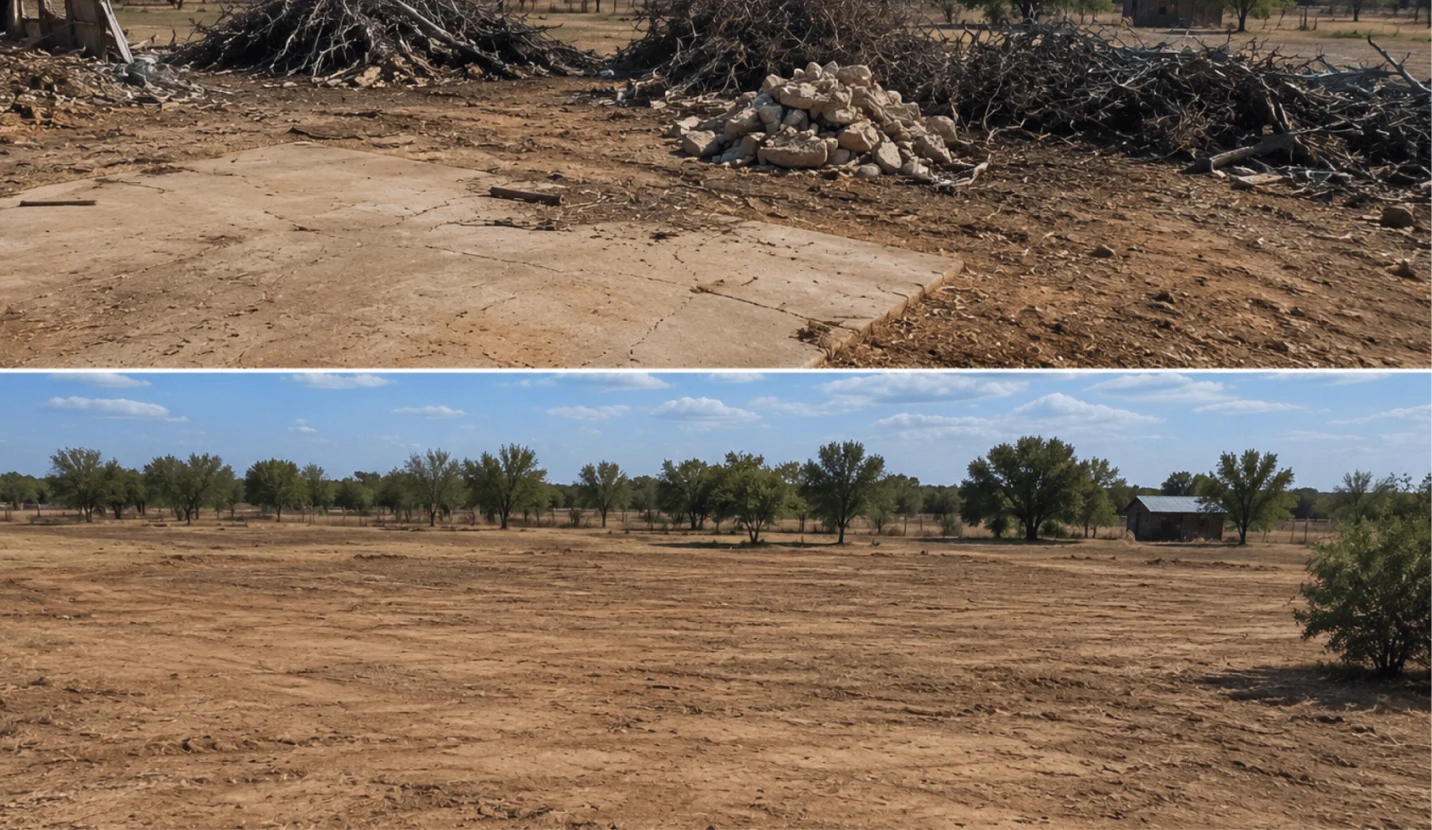
Build Your Pad From Properly Prepared Ground
Pad preparation starts below the finished surface. A piece of land may appear relatively level while still containing unsuitable surface material or inconsistencies that need to be addressed before a structure is placed there. Organic topsoil can be softer than the underlying ground, and natural elevations may not match the height or profile needed for the planned building.
Our process begins by reviewing the designated building area and the existing conditions. The intended location, surrounding elevations, and planned use help determine how the ground should be approached. Where unstable organic topsoil is present, it can be excavated to expose firmer material below.
Excavation is important because a pad should not rely on weak surface soil simply because it already occupies the correct location. Removing unsuitable material gives the project a more appropriate starting point before structural fill is introduced.
Once the underlying area is prepared, fill dirt can be brought in to establish the necessary pad elevation. Rather than placing the full amount at once, imported dirt is added in controlled layers. This approach allows the material to be compacted as the pad is built upward.
Our pad preparation process can include:
- Site assessment: We review the planned pad area, surrounding elevations, existing ground, and intended use before earthmoving begins.
- Topsoil excavation: We remove unstable organic surface material where necessary to establish a more suitable starting point.
- Structural fill placement: We bring in appropriate fill dirt when additional material is required to establish the planned pad elevation.
- Layered compaction: We place and compact fill in controlled stages rather than building the entire pad with loose material at once.
- Elevation adjustment: We shape the pad to the required height in relation to the surrounding residential property.
- Final surface leveling: We refine the prepared area to establish a level subgrade for the construction phase that follows.
Compaction is one of the central parts of building a pad. Loose fill can settle as weight is applied, which is why material placement and compaction need to work together. Building the pad in layers allows the soil to be consolidated throughout the prepared area rather than only addressing the top surface.
Elevation also matters. A pad that is too low or uneven may not match the needs of the planned structure or surrounding property. We shape and level the area with attention to the intended pad height and how the prepared ground transitions into nearby terrain.
Pad grading refines the surface after excavation and fill placement. This stage helps establish a consistent final profile so the area is ready for the work that follows. The goal is not simply to create a pile of compacted dirt, but to establish a controlled building area with the appropriate shape and elevation.
Prepare for Homes, Shops, Sheds, and Residential Structures
Different residential projects can require pad preparation. A homeowner may be planning a shop for equipment or storage, a detached shed, a new residential building, or another structure that needs a defined base. While the size and requirements vary, each project benefits from starting with ground prepared around its intended use.
House pad excavation may require removing unsuitable material from a larger footprint before fill is placed. A smaller shed or shop may involve a more focused work area, but the underlying principle remains the same. The ground should be evaluated and prepared rather than assuming the existing surface can support what comes next.
Building pad preparation can also connect with broader site work. If vegetation, debris, or obstacles cover the planned building area, site preparation or land clearing may be required first. Dirt work can move larger amounts of earth when significant elevation changes are necessary. Grading can shape surrounding areas so the finished pad transitions more naturally into the rest of the property.
Drainage conditions should also be considered. A prepared pad exists within the larger property, so surrounding elevations and runoff patterns can affect the area. If standing water or other drainage problems are already present, separate grading or drainage work may be appropriate. Those issues should be addressed based on the actual conditions rather than assuming pad preparation alone will correct every water problem.
Hendrix DIRT WORKS works with residential property owners who need projects of varying sizes. We understand that homeowners can have difficulty finding someone willing to handle a focused building pad or smaller site project. We take on those jobs and tailor our approach to what the property requires.
Our work is guided by clear communication and personal attention. We discuss the intended project, evaluate the area, and explain the groundwork involved before moving forward. We treat customers like family and give each job the care we would want on our own property.
We are fully insured and bonded and bring over 17 years of combined experience to residential excavation and dirt work. That experience helps us approach pad construction with attention to excavation, material placement, compaction, elevation, and final grading.
Project timing depends on the pad size, existing soil conditions, amount of excavation required, volume of imported fill, equipment access, and planned elevation. A small pad on relatively suitable ground will have different requirements from a larger building area that needs substantial excavation and fill.
Cost varies for the same reasons. The supplied business information does not establish fixed pricing for pad preparation, so we do not provide unsupported rates. Free quotes are available so the project can be reviewed according to the actual site conditions. Warranty options are also available and can be discussed based on the work being performed.
A properly prepared pad gives the next stage of construction a more suitable starting point. By removing unsuitable topsoil where needed, placing structural fill in controlled layers, compacting the material, adjusting elevations, and leveling the final surface, we prepare residential ground with the planned structure in mind.
Pad Preparation FAQs
-
Pad preparation can include site assessment, unsuitable topsoil excavation, structural fill placement, layered compaction, elevation adjustment, and final surface leveling. The exact work depends on the property and planned structure.
-
Controlled layers allow fill material to be compacted as the pad is built. This creates firmer conditions throughout the prepared area instead of leaving a large amount of loose fill beneath the finished surface.
-
Pad preparation can be used for residential buildings, shops, sheds, and other structures that require a solid, level dirt base before construction proceeds.
-
No. Site preparation addresses the broader area through clearing, excavation, leveling, and other groundwork. Pad preparation focuses specifically on establishing a compacted, level base for a planned structure.
-
Yes. Hendrix DIRT WORKS welcomes smaller residential projects as well as larger property improvements. The pad is prepared according to the site’s conditions and the planned use.
Start Your Structure on Properly Prepared Ground
Prepare a solid, level dirt pad with careful excavation, controlled fill placement, compaction, and grading tailored to your planned structure.