Get a Free Diagnosis for Your Property Project
Redirect Trapped Water With French Drain Installation in Lubbock, TX
Redirect trapped water away from problem areas with a carefully excavated underground drainage system built around your residential property.
Move Trapped Water Away From Saturated Ground
Water does not always remain on the surface where it is easy to see. Some residential properties develop saturated areas because water collects within the soil and has no effective route away. These conditions can leave portions of a yard consistently wet, create muddy ground, and make routine property use more difficult. French drain installation provides an underground route for collecting and redirecting this water.
Hendrix DIRT WORKS installs French drains in Lubbock, TX, using carefully excavated trenches, filter fabric, perforated pipe, and clean aggregate. Water enters the gravel-filled trench, reaches the perforated pipe, and travels toward an appropriate discharge location.
With over 17 years of combined experience, we evaluate the affected area and surrounding terrain before beginning excavation. The route, depth, slope, and discharge point need to work together for the drainage system to serve its intended purpose. We tailor the project to the property’s conditions rather than applying the same layout to every yard.
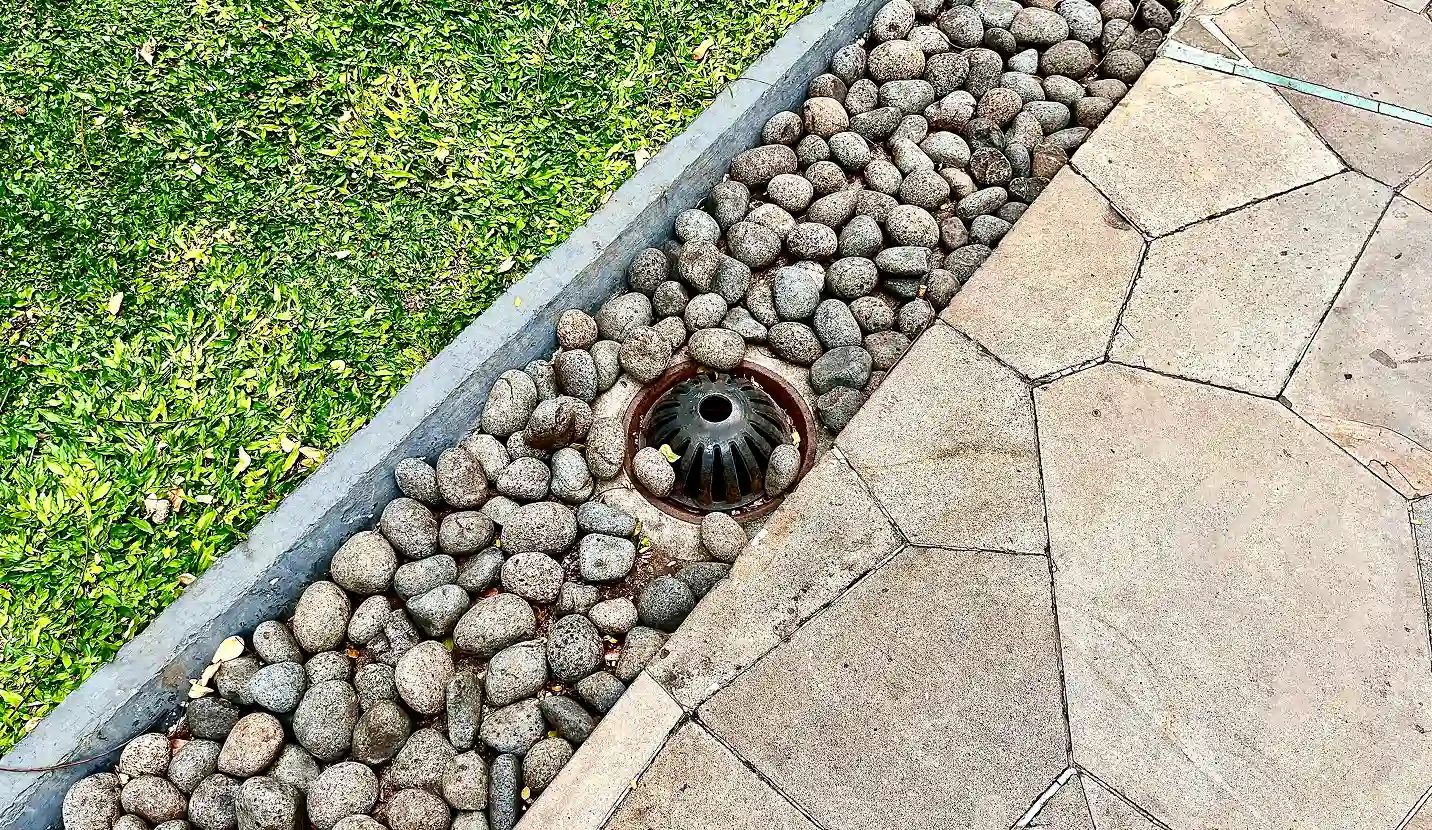
Create an Underground Route for Unwanted Water
A French drain is designed to collect water within saturated ground and give it a controlled route away from the problem area. Unlike surface grading, which primarily changes how runoff moves over the land, a French drain works below ground through a gravel-filled trench containing perforated drainage pipe.
Planning starts with identifying the affected area and determining where collected water can travel. The drain needs a suitable route and slope so water can move through the system. Existing terrain, nearby property features, equipment access, and the intended discharge location can all influence the installation.
Once the route is established, we excavate a trench through the designated area. Precision during excavation matters because the trench needs to follow the planned path and support the slope required for drainage. Digging without accounting for elevation can leave water without an effective route through the system.
Filter fabric is then placed within the prepared trench. The fabric helps separate surrounding soil from the clean aggregate used around the pipe. This creates a defined drainage area while helping keep soil from immediately mixing into the gravel.
Perforated pipe is installed within the trench so collected water can enter the system. Clean aggregate surrounds the pipe, creating spaces through which water can move before entering the perforations.
Our French drain installation process can include:
- Drainage-area assessment: We review the saturated area, surrounding terrain, existing elevations, and potential discharge route.
- Drain route planning: We establish a path that connects the problem area with an appropriate location for redirected water.
- Precision trench excavation: We excavate along the planned route with attention to the depth and slope required for the system.
- Filter fabric installation: We line the prepared drainage area to separate surrounding soil from the clean aggregate.
- Perforated pipe placement: We position the drainage pipe within the trench so collected water can enter and travel through the system.
- Clean aggregate installation: We place suitable gravel around the pipe to create a drainage medium for water moving through the ground.
- Water discharge routing: We direct collected water toward the planned outlet based on the property’s conditions.
Slope is particularly important. A French drain is not simply a buried pipe surrounded by gravel. The installation needs to give collected water a route toward the discharge point. Existing property elevations therefore play an important role in determining how the trench is laid out.
The discharge location also needs to be considered before excavation begins. Moving water away from one wet area should not simply create another problem elsewhere on the property. We evaluate the planned route as part of the overall drainage project.
Address Persistent Wet Areas With the Right Drainage Approach
Not every water problem requires a French drain. Some standing water is caused primarily by surface elevations and may be better addressed through grading, swales, or low-spot correction. French drains are intended for conditions where trapped or subsurface water needs a route through the ground.
Understanding the source of the problem helps determine the appropriate approach. A visible puddle does not automatically explain why the area stays wet. Water may be collecting because the surface is too low, because runoff is directed toward the location, or because moisture remains trapped within the soil. In some cases, multiple conditions may contribute.
That is why Hendrix DIRT WORKS starts by looking at the property rather than automatically recommending one drainage method. If grading is the more appropriate way to redirect surface runoff, that should be considered. If a defined depression needs filling and leveling, low-spot leveling may fit the issue. Where underground collection is appropriate, a French drain can provide a controlled route for the water.
French drains can also work as one part of a broader drainage plan. Surface grading may guide runoff away from certain areas while an underground system handles water that collects within the soil. The exact combination depends on the property’s contours and the location of the problem areas.
Residential drainage work often connects with other property improvements. A wet area near a driveway may affect the surrounding ground and vehicle access. A future building area may need drainage conditions addressed before site or pad preparation moves forward. Reshaping land through dirt work can also change how water moves, making drainage an important consideration when elevations are adjusted.
We welcome focused residential projects along with larger property improvements. A single saturated section of a yard can still interfere with mowing, walking, or regular property use. Smaller drainage projects receive the same attention to planning and workmanship as broader excavation jobs.
Hendrix DIRT WORKS treats customers like family and communicates clearly about the planned work. We explain the approach, consider the property’s existing conditions, and remain focused on the finished result. We are fully insured and bonded and bring over 17 years of combined experience to residential excavation and drainage work.
Project timing varies according to drain length, excavation depth, terrain, equipment access, soil conditions, and the planned discharge route. A shorter installation across accessible ground will have different requirements from a longer system with more complex elevation changes.
Cost also depends on the scope of the installation. We do not provide unsupported fixed pricing because trench length, materials, access, and ground conditions vary between properties. Free quotes are available so the affected area can be reviewed before the project begins. Warranty options are also available and can be discussed according to the applicable work.
A properly planned French drain gives trapped water somewhere to go. From trench excavation and filter fabric to perforated pipe, clean aggregate, and discharge routing, each part works together to collect and redirect water beneath the surface. If saturated ground continues to affect your residential property, we can evaluate whether French drain installation fits the conditions.
French Drain Installation FAQs
-
A French drain uses a gravel-filled trench and perforated pipe to collect water within the surrounding ground. Water enters the drainage area and travels through the pipe toward a planned discharge location.
-
The supplied installation process includes filter fabric, perforated drainage pipe, and clean aggregate placed within an excavated trench.
-
No. Some water problems may be better addressed through grading, swales, drainage correction, or low-spot leveling. The appropriate method depends on why water is collecting.
-
The drain needs an appropriate slope to move collected water toward its discharge location. The route and existing property elevations are considered during planning and excavation.
-
Yes. Depending on the property, French drain installation can be coordinated with grading, surface drainage improvements, low-spot correction, or other groundwork.
Give Trapped Water a Better Route
Collect and redirect unwanted subsurface water with a French drain planned around your property’s elevations, wet areas, and discharge route.