Stable Surfaces That Prevent Settling Problems
Pad Preparation in Lubbock for homes, shops, barns, and other structures requiring level building foundations
Properties across Lubbock require pad preparation when homeowners plan new construction, add outbuildings, or expand existing structures on land where natural terrain slopes or contains unsuitable soil. Hendrix DIRT WORKS levels and compacts land to create stable building surfaces that support structural loads without shifting, settling, or allowing water to collect beneath foundations. Your project receives groundwork that addresses drainage considerations and establishes proper elevation relative to surrounding grades, which determines whether the building remains dry during heavy rains and whether doors continue to operate correctly years after construction.
The process involves removing topsoil and organic material that compresses over time, excavating to a consistent depth across the pad area, placing fill material in controlled lifts, and compacting each layer with equipment that achieves density specifications. Elevation planning accounts for how water drains away from the structure and whether access routes connect to the pad at reasonable slopes.
Arrange a site evaluation to identify pad preparation requirements based on your building plans and property conditions.
Why Proper Pad Preparation Matters for Structural Performance
Pad preparation establishes the subsurface conditions that determine whether a structure settles evenly or develops cracks caused by differential movement. Compacted fill supports concrete slabs and pier-and-beam foundations without allowing voids to form beneath load-bearing points, while proper grading directs surface water away from the building envelope to prevent moisture infiltration and erosion around the perimeter.
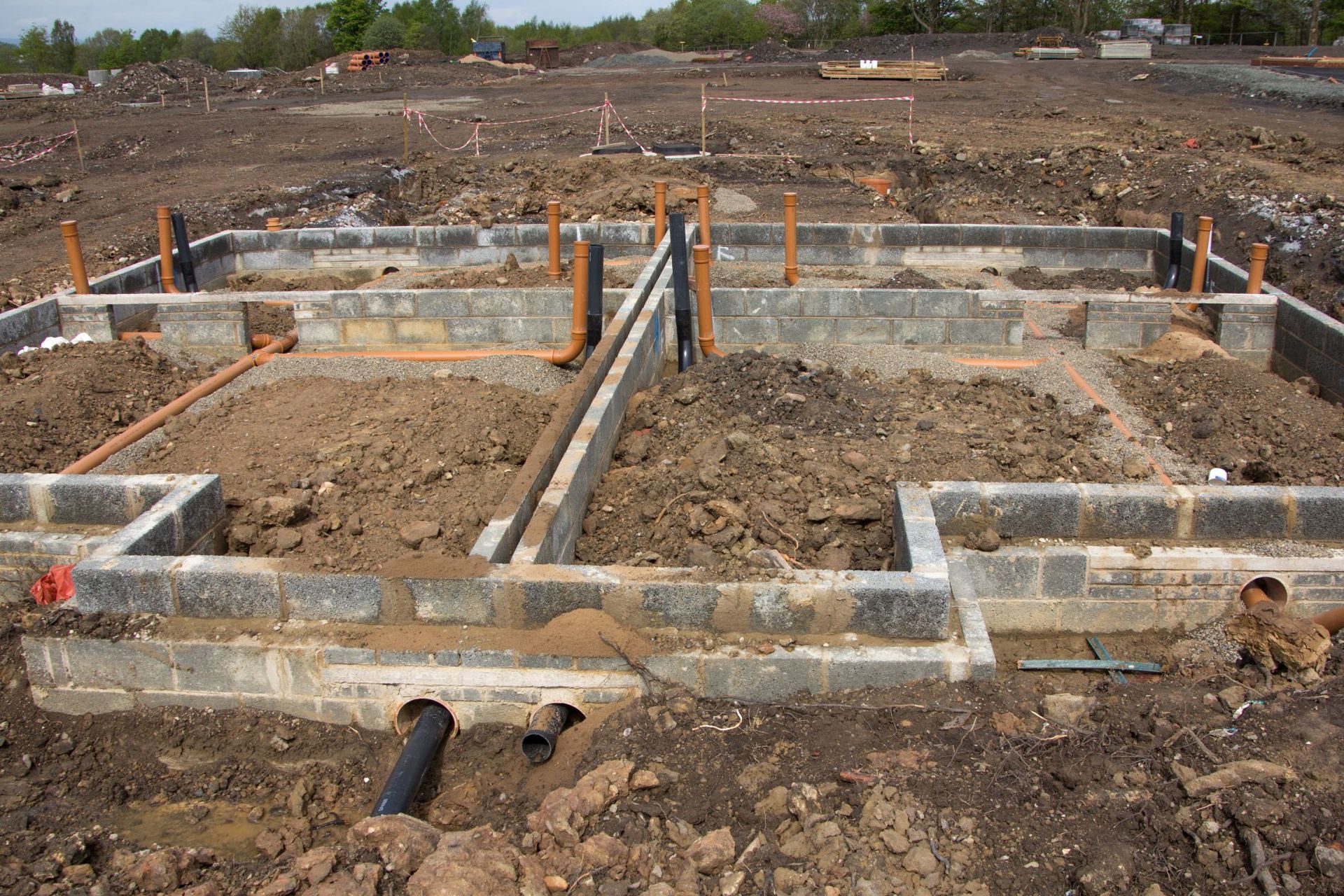
After pad preparation completes, you notice a level surface with uniform compaction across the entire building footprint, drainage slopes that direct water toward designated runoff areas, and elevations that position the finished floor above surrounding grades to prevent water entry during storms. The pad remains stable under the weight of construction equipment during the building phase and continues to support structural loads without movement once the building is occupied.
Projects on rural properties around Lubbock often involve preparing pads for agricultural buildings, workshops, or residential additions where access to municipal drainage infrastructure does not exist. These sites require careful attention to how grading and pad elevation integrate with natural drainage patterns to avoid creating low spots that collect runoff or high points that require excessive fill.
Answers to Common Pad Preparation Questions
Pad preparation decisions affect both immediate construction readiness and long-term building performance, prompting questions about process and planning.
What determines the elevation of a building pad?
Final pad elevation depends on existing terrain, drainage requirements, access road connections, and whether the building needs to sit above the 100-year floodplain, with adjustments made to balance cut-and-fill quantities and minimize material import costs.
How is compaction verified during pad preparation?
Compaction testing measures soil density at intervals across the pad area to confirm that fill material reaches the percentage of maximum density specified by engineering standards, typically 95 percent for residential projects and higher for commercial structures.
When should pad preparation occur in the construction timeline?
Pad work completes before foundation contractors mobilize, allowing time for any settlement that occurs after compaction and providing a clean, stable surface for forming and pouring concrete or installing pier systems.
What soil types work best for building pads in Lubbock?
Select fill material with low clay content and minimal organic matter compacts more predictably than native topsoil, and caliche or crushed aggregate provides excellent stability when placed in lifts and compacted with vibratory equipment.
How does pad preparation address drainage around structures?
Grading establishes slopes that direct water away from the building perimeter at a minimum of two percent grade for the first ten feet, with steeper slopes used where space allows to move runoff quickly away from the foundation zone.
Hendrix DIRT WORKS approaches pad preparation with attention to compaction standards, drainage planning, and elevation control that supports long-term structural integrity for residential and rural building projects throughout Lubbock. Schedule a site consultation to review your building plans and discuss pad preparation specifications.