Surfaces Shaped for Water Control
Grading and Leveling in Lubbock for properties with drainage issues, rough terrain, and uneven surfaces affecting usability
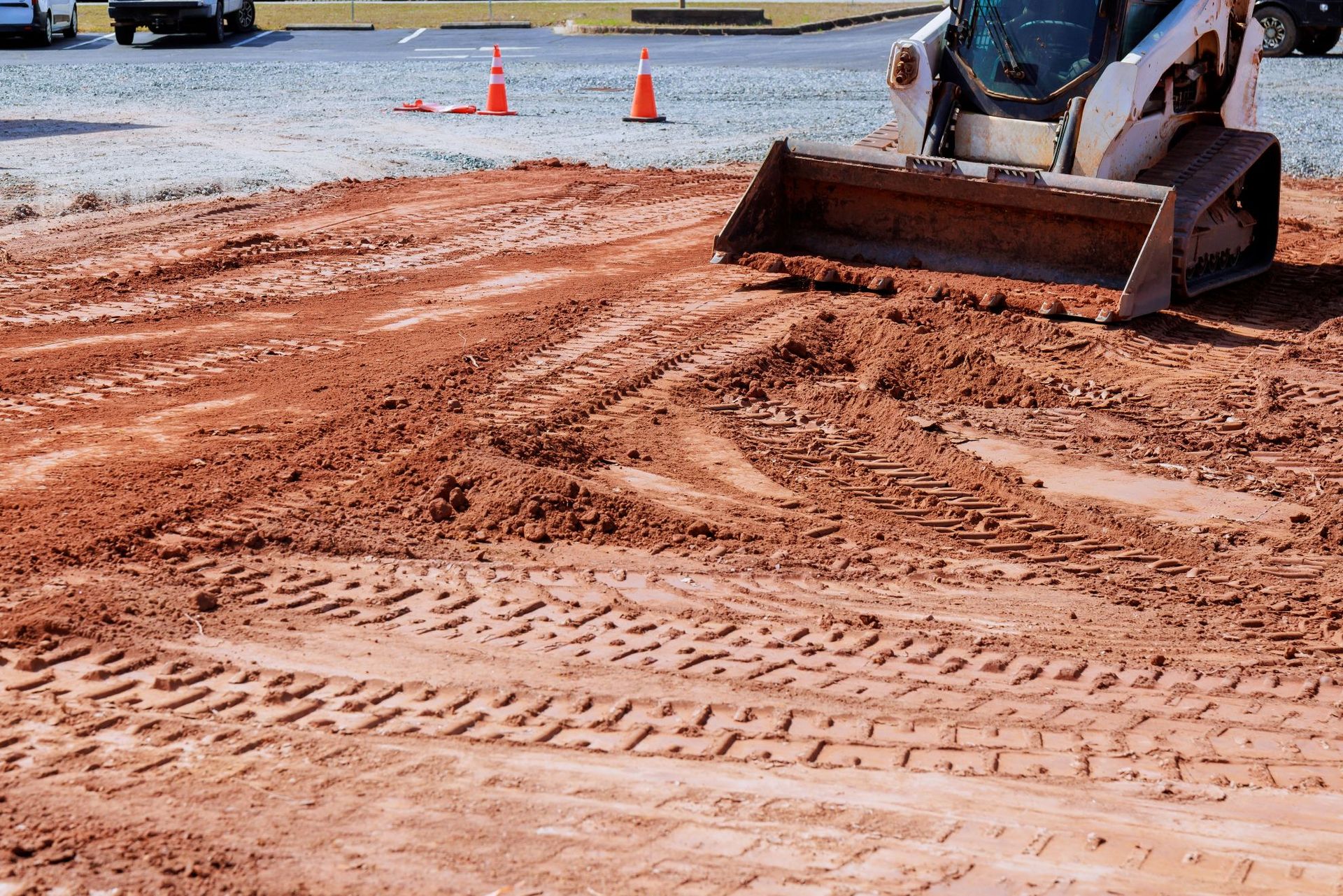
Water control problems across Lubbock properties typically trace back to incorrect grades that allow pooling in low spots, direct runoff toward structures instead of away, or create erosion channels where concentrated flow cuts through unprotected soil. Grading and leveling services reshape terrain to establish positive drainage, create even surfaces for construction or equipment operation, and correct rough or sloped areas that limit property function. Hendrix DIRT WORKS evaluates existing grades, identifies where water accumulates or flows incorrectly, and reshapes the land to direct drainage appropriately while creating level areas where projects require flat, stable surfaces.
The grading process involves cutting high spots, filling depressions, establishing slope gradients that move water predictably, and smoothing rough terrain to specified tolerances. Proper grading eliminates standing water that breeds mosquitoes and damages landscaping, prevents erosion that worsens with each storm, and creates stable surfaces for driveways, building pads, or access roads. West Texas weather patterns produce intense rainfall during thunderstorms despite overall dry conditions, which means even properties in arid climates need functional drainage to handle storm events without damage.
Arrange an estimate to evaluate drainage concerns and discuss grading solutions for correcting problem areas.
What Proper Grading Accomplishes
Effective grading requires understanding how water flows across shaped terrain, where grade breaks need positioning to redirect flow, and what slope percentages achieve drainage without causing erosion. Equipment operators continuously check elevations during grading to maintain design slopes, adjust cross-grades that direct water toward collection points, and blend new work into existing terrain without creating abrupt transitions that concentrate runoff. The detail level distinguishes projects that solve drainage problems permanently from those that simply move water to different problem locations.
After grading completes, property owners observe that water no longer pools in areas that previously stayed saturated for days after rain, erosion stops worsening in channels where runoff previously concentrated, and level areas remain stable and usable regardless of weather conditions. Driveways and access routes shed water quickly rather than developing ruts where vehicles sink during wet periods, building surroundings stay dry instead of collecting runoff against foundations, and previously unusable low spots become functional space. The property also becomes easier to maintain since mowing equipment operates safely on even terrain and irrigation systems work more effectively when grades distribute water uniformly.
Grading projects often address multiple issues simultaneously—correcting drainage while leveling equipment yards, reshaping access roads while improving building pad slopes, or recontouring entire properties to support development plans. Some projects require importing fill material to raise low areas above flood-prone elevations, while others involve redistributing existing soil to achieve target grades without material hauling costs.
What Property Owners Usually Ask
Grading work becomes necessary when drainage problems persist, terrain limits property use, or construction projects require specific surface conditions that existing grades don't provide.
What causes drainage problems that grading fixes?
Drainage issues develop when natural terrain directs water toward structures instead of away, settling creates depressions where water collects, erosion carves channels that worsen with each storm, or previous grading work established incorrect slopes that concentrate rather than disperse runoff.
How much slope does effective drainage require?
Effective drainage typically needs minimum slopes between one and two percent to move water reliably without causing erosion, though steeper grades work in some situations and flatter slopes suffice when surface materials and distances allow gradual flow.
What equipment handles grading and leveling projects?
Motor graders create precise finish grades on driveways and roads, bulldozers reshape larger areas and move material efficiently, and box blades or land planes handle finish work on yards and fields where fine tolerances matter for irrigation or appearance.
When should grading happen to correct existing drainage problems?
Grading should occur during dry periods when soil moisture allows effective compaction and equipment operation doesn't create rutting, but soon enough that upcoming storm seasons don't cause additional erosion before corrections get implemented.
What site conditions affect grading project complexity in Lubbock?
Rocky subsurface layers may require excavation beyond initial estimates, high clay content affects compaction methods and drainage planning, and properties with limited equipment access increase project time compared to open sites where machinery moves freely.
Hendrix DIRT WORKS approaches grading and leveling projects with commitment to solving drainage issues and improving property function through accurate earthwork. Call the office to schedule a property visit and discuss grading options tailored to your specific terrain and drainage challenges.